Cart
0
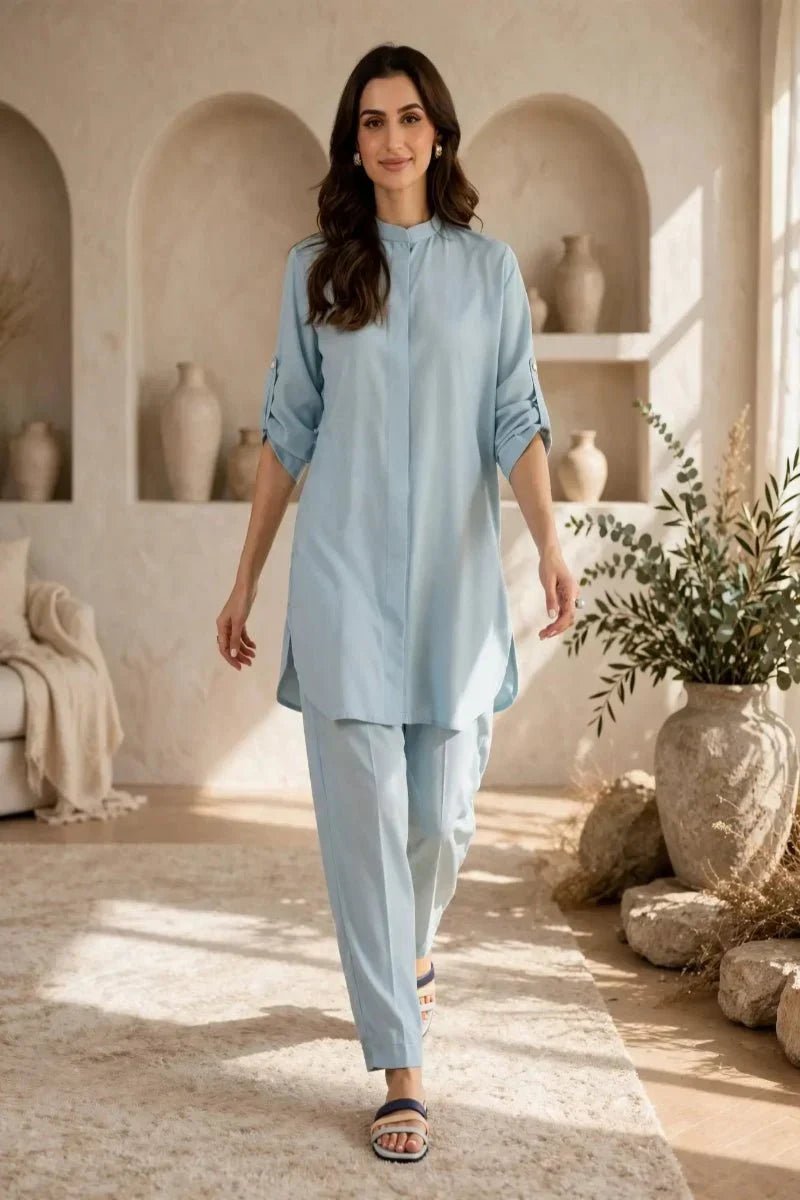
How to Build a Complete Wardrobe on a Budget — A Pakistani Woman's Practical Guide
Building a wardrobe that actually works for your life — one that takes you from home to office to family events without constant new purchases — doesn't require an unlimited budget. It requires a plan. Most women overspend not because they buy too much, but because they buy the wrong things: pieces that only work for one occasion, don't match anything else they own, or fall apart after a few washes.
This guide walks through exactly how to build a complete, functional wardrobe on a realistic budget, piece by piece, without wasting money on things you'll wear twice and forget.
Why Most Wardrobes Feel "Full" But Still Feel Like "Nothing to Wear"
If you've ever stood in front of a closet full of clothes and felt like you had nothing to wear, you've experienced the most common wardrobe mistake: buying pieces in isolation instead of building a system. A print you loved in the shop, a color that doesn't match anything else you own, an occasion-only outfit that never leaves the hanger — these add up to a closet that looks full but functions poorly.
A budget-conscious wardrobe isn't about buying less. It's about buying pieces that work together, so every rupee you spend multiplies into more outfits, not more clutter.
Step 1: Start With a Core of Solid Colors
The foundation of any low-maintenance, high-mileage wardrobe is a small set of solid-colored pieces. Unlike prints, which are tied to a specific look and season, solids are neutral building blocks. A single solid lawn suit can be restyled for casual wear, office wear, or a family event just by changing the dupatta, jewelry, or shoes.
A practical starting core:
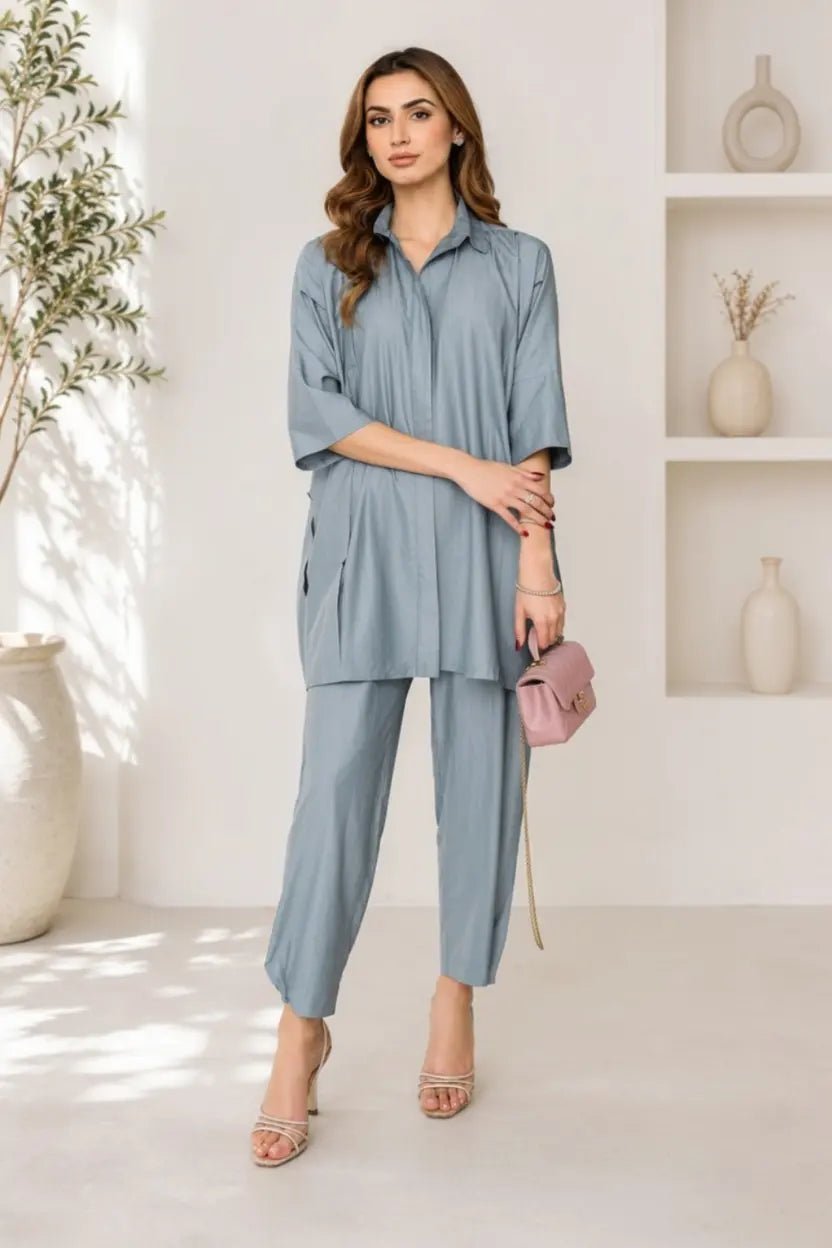
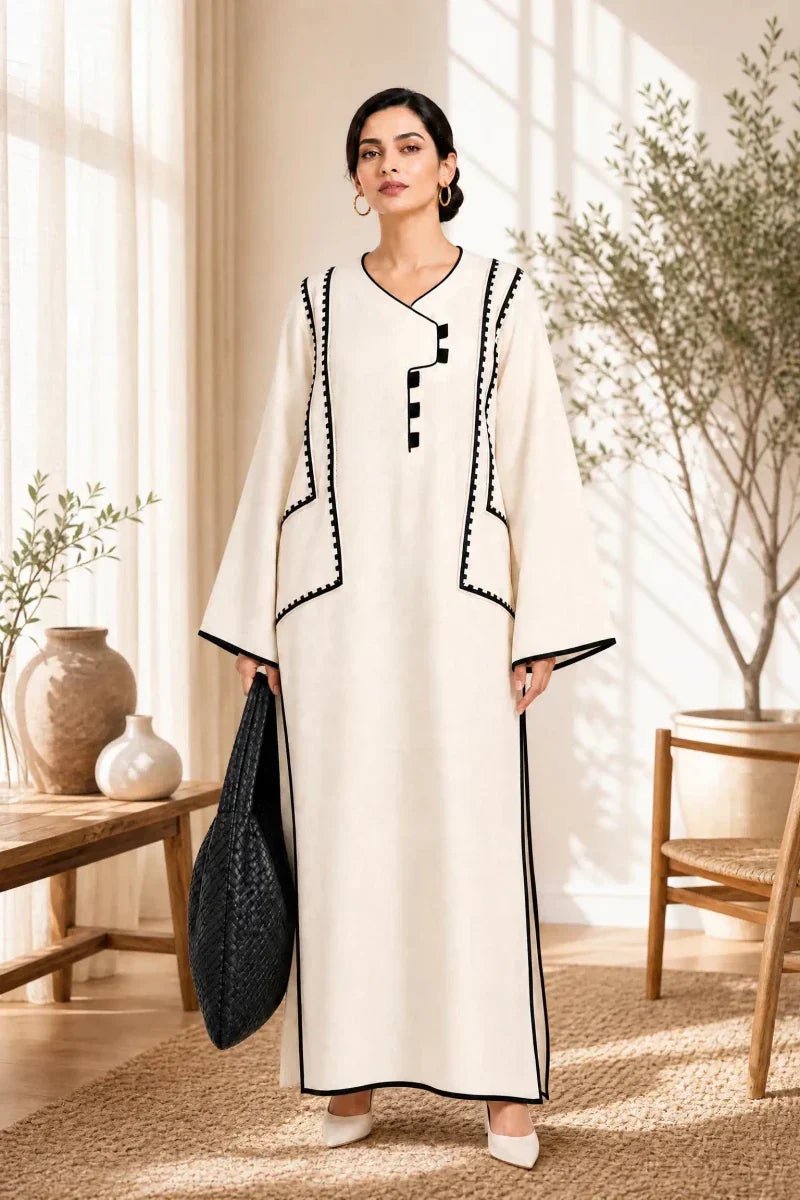
- One neutral tone (beige, white, or grey) — works for almost any occasion and pairs with any accessory color
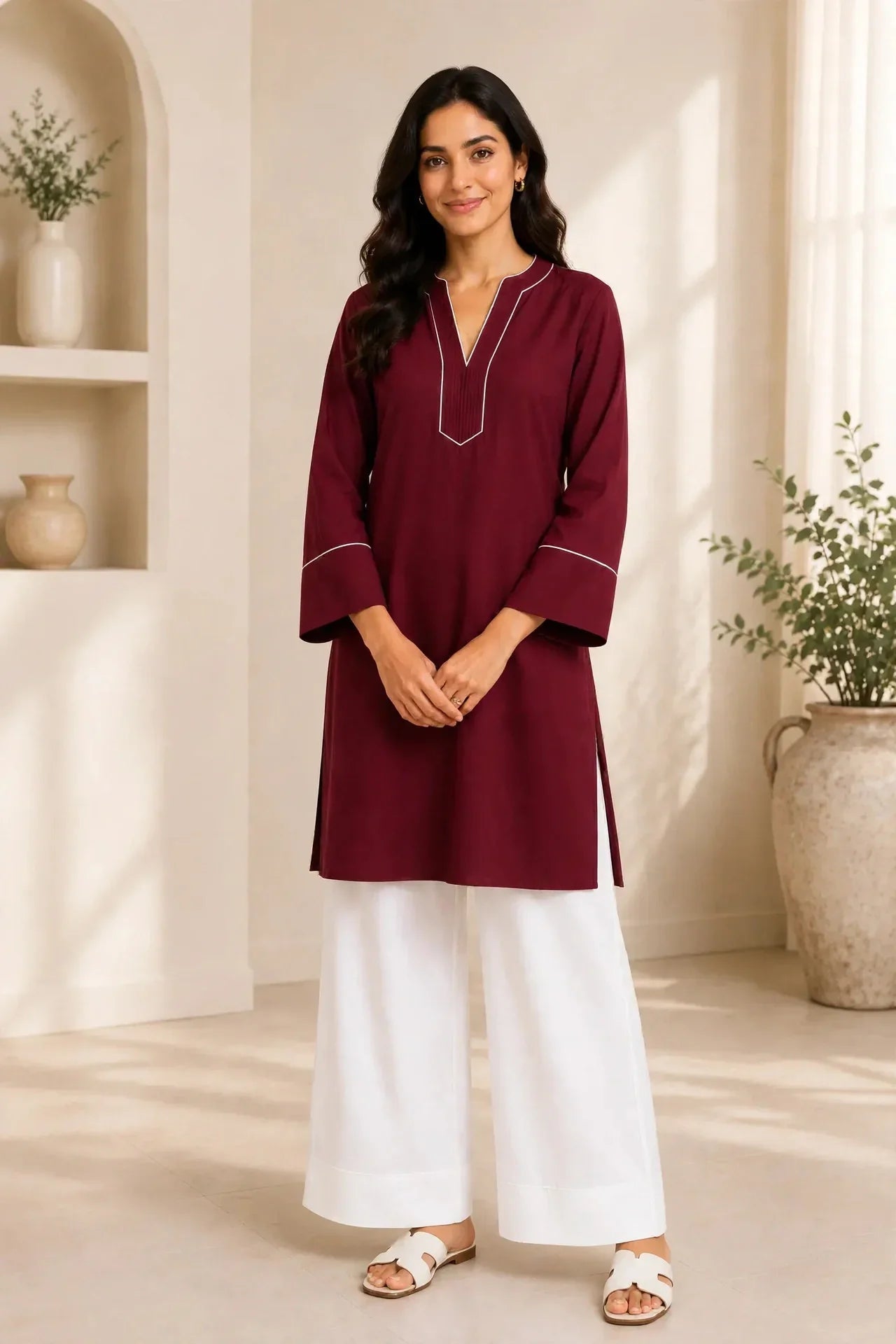
- One deep jewel tone (maroon, emerald, or navy) — dresses up easily for evenings or events
- One warm earth tone (mustard, rust, or olive) — versatile for both casual and semi-formal wear
With just these three solid suits, you already have a rotation that can be styled more than a dozen different ways depending on how you accessorize — something that's mathematically impossible with three printed suits, since prints don't recombine with each other as cleanly.
Step 2: Prioritize Fabric Quality Over Quantity
It's tempting to buy five cheap suits instead of two well-made ones, but this is usually where wardrobe budgets get wasted. A poorly stitched or thin-fabric suit fades, tears, or loses shape after a handful of washes — meaning you end up replacing it within a season anyway, and you've spent the same money (or more) without gaining anything.
When evaluating a suit, look for:
- Fabric weight and weave — good lawn should feel substantial, not paper-thin
- Stitching quality — even seams, no loose threads, proper hemming
- Colorfastness — ask whether the fabric is treated to resist fading, especially important in solid colors where any fading is highly visible
A suit that costs slightly more but lasts three seasons instead of one is the actual budget-friendly choice, even though it doesn't look that way at checkout. Browse our Luxury Lawn collection for quality-first options.
Step 3: Choose Stitched or Unstitched Based on Your Actual Habits
This decision affects both your budget and your time, so be honest about your own habits:
- If you rarely have time for a tailor visit, stitched suits save you the back-and-forth and guarantee a wearable fit out of the box.
- If you have a trusted tailor and prefer a fully custom fit, unstitched fabric gives you more control, and can sometimes work out cheaper per piece since you're only paying for fabric and your own stitching cost.
There's no universally "better" option here — it depends on whether your time or your fit precision is the more limited resource.
Step 4: Build Around Occasions, Not Just Aesthetics
A common budget mistake is buying clothes you're drawn to visually without mapping them to where you'll actually wear them. Before buying anything new, ask: where will this piece realistically be worn?
A practical wardrobe usually needs coverage across four categories:
- Everyday/casual — comfortable, breathable, low-maintenance (this is where solid lawn suits shine)
- Office/semi-formal — polished but not overly dressy
- Family events/casual gatherings — slightly elevated, room to add jewelry or a statement dupatta
- Formal/special occasions — the smallest category; browse our Luxury Formals for these moments
Most wardrobes are overloaded in category 4 and underserved in categories 1 and 2 — meaning money gets spent on pieces worn once or twice a year, while daily needs get patched together with whatever's left. Rebalancing toward everyday and semi-formal pieces (like solid lawn suits) means your budget goes toward things you'll actually wear dozens of times, not once.
Step 5: Learn to Restyle Instead of Rebuying
Once you have a small core of well-made, solid pieces, the real budget skill is restyling rather than replacing. A single suit can look like four different outfits depending on how you approach it:
- Everyday casual: suit as-is, simple jhumkas, sandals
- Office-ready: structured dupatta drape, minimal jewelry, closed shoes or heels
- Evening/family event: statement earrings, an embellished or contrasting dupatta, heeled sandals
- Weekend/relaxed: loosely draped dupatta, stacked bangles, flats
This is where solids specifically outperform prints on a budget — a printed suit is visually "locked" to one mood, while a solid suit adapts to whatever you pair with it.
Step 6: Buy Off-Season When Possible
Lawn suits, like most seasonal clothing, tend to be more heavily discounted right before or after peak season, since brands are clearing existing stock ahead of the next collection. If your budget allows it, buying a season ahead (for example, buying summer lawn suits in late autumn or early spring) often gets you the same quality at a lower price point, simply because demand is lower at that time.
This does require a bit of planning ahead, but for staple solid pieces — which don't go "out of style" the way prints do — there's very little risk in buying slightly early. Check our Top Trending collection to see what's popular this season.
Step 7: Track Cost-Per-Wear, Not Just Sticker Price
A genuinely useful way to think about wardrobe spending is cost-per-wear: the price of an item divided by how many times you actually wear it. A suit that costs more upfront but gets worn 30+ times across multiple occasions has a far lower cost-per-wear than a cheaper suit that only gets worn twice because it only suits one specific look.
This is exactly why a small, well-chosen collection of solid lawn suits tends to outperform a larger collection of impulse-bought prints on actual value — even though the upfront receipt might look bigger for the solids.
A Sample Budget-Conscious Starter Wardrobe
Putting all of this together, a realistic, functional starter wardrobe might look like:
- 2–3 solid lawn suits in neutral, jewel-tone, and earth-tone colors (covers casual, office, and semi-formal needs)
- 1–2 printed suits from our Luxury Lawn collection for variety and occasions where a bolder look is welcome
- A small set of versatile accessories (2–3 dupatta styles, a couple of jewelry sets, one pair of flats and one pair of heels) that can be mixed across all the above
This is a small number of purchases, but because each piece is chosen to work with the others, it produces a far wider range of usable outfits than a larger, less coordinated wardrobe.
The Bottom Line
Budget-friendly dressing isn't about spending less — it's about spending deliberately. A wardrobe built around a small core of quality solid pieces, chosen for how well they combine and how often they'll realistically be worn, will outperform a larger, more scattered collection almost every time — both in cost-per-wear and in how "put together" you feel reaching into your closet every morning.
At Daiselle, our solids collection is built with exactly this kind of wardrobe planning in mind — quality fabric, in-house stitching, and colors chosen to mix, match, and last well beyond a single season.
Explore the Solids Collection: Shop Solid Lawn Suits
Also explore: Luxury Lawn · Stitched Suits · Luxury Formals · Top Trending